
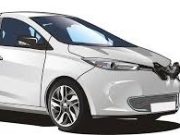











China’s BYD has overtaken Elon Musk’s Tesla to become the world’s largest seller of electric vehicles, marking the first time the Chinese manufacturer has surpassed its US rival in annual sales.
Tesla reported that global vehicle deliveries fell by nearly 9% in 2025 to about 1.64 million units, extending its decline for a second consecutive year. That result left the company trailing BYD, which said sales of its fully electric cars jumped by almost 28% last year to more than 2.25 million.
The US carmaker has endured a challenging year, facing a lukewarm response to new models, growing concern among some consumers over Musk’s political involvement, and intensifying competition from Chinese manufacturers.
Tesla’s difficulties deepened toward the end of the year, with sales dropping 16% in the final quarter of 2025. Part of the decline followed the removal of a government subsidy that had cut up to $7,500 (£5,570) from the cost of certain electric, plug-in hybrid and fuel-cell vehicles. More recently, Wall Street analysts have trimmed their forecasts for Tesla’s 2026 sales, reflecting a more pessimistic outlook.
Chinese automakers including Geely, MG and BYD have continued to squeeze Western rivals by offering electric vehicles at significantly lower prices than established brands. In response, Tesla launched cheaper versions of its two best-selling models in the US in October in an effort to revive demand.
Musk, already the world’s richest person, now faces pressure to sharply increase Tesla’s sales and market value over the next decade to secure an unprecedented pay package. Approved by shareholders in November, the deal could ultimately be worth as much as $1tn (£740bn). As part of the agreement, Musk is also required to sell one million humanoid robots over the next ten years, with Tesla investing heavily in its Optimus robot and self-driving robotaxi programme.
Analysts say Tesla’s planned rollout of robotaxis and self-driving technology in 2026 will be critical to its future performance. That optimism has helped lift the company’s share price to record highs. While doubts remain over Tesla’s self-driving ambitions, some analysts remain bullish. Dan Ives of Wedbush Securities believes Tesla could command around 70% of the self-driving market over the next decade, arguing that no other company can match its scale and capabilities.
Beyond Tesla, Musk’s business empire includes the social media platform X, rocket company SpaceX and tunnelling firm the Boring Company. His wide-ranging commitments — including a role leading US President Donald Trump’s Department of Government Efficiency earlier last year — have fuelled concerns among some investors that his attention may be spread too thin, potentially at Tesla’s expense.