























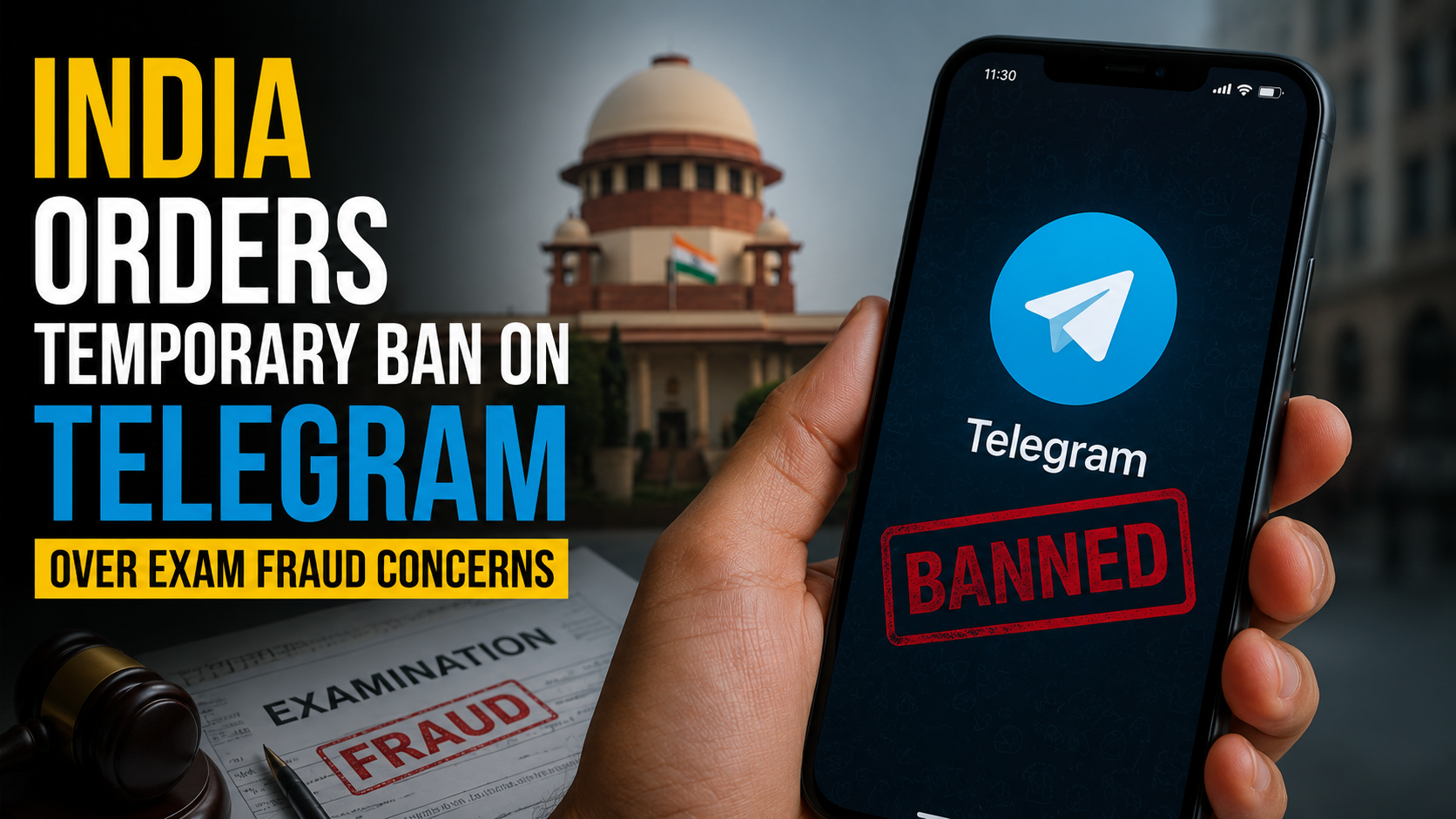
India has ordered a temporary nationwide block on Telegram until June 22, citing concerns that fraudsters are using the messaging platform to target students ahead of the re-test of the National Eligibility Entrance Test (NEET), the country’s largest medical college entrance examination.
The restrictions were announced by the National Testing Agency (NTA), which oversees NEET (UG), and are intended to prevent the sale of fake exam papers and the spread of misinformation before the June 21 re-test.
The measures include a temporary ban on Telegram across India until June 22, one day after the examination. The NTA has also requested that Telegram disable its message-editing feature until June 30, claiming it has been used to fabricate evidence of exam paper leaks after tests have taken place.
“Both measures have been taken in the interest of public order, in response to the organized use of the platform by cheating rackets to defraud candidates appearing for the NEET (UG) 2026 re-examination,” the agency said.
The order was issued under Section 69A of India’s Information Technology Act, the legal framework used by the government to block online platforms and digital content.
Telegram CEO Pavel Durov criticised the decision in a post on X, arguing that the restriction would affect more than 150 million users in India while failing to target those actually responsible for exam-related fraud.
Durov also questioned the effectiveness of the ban, stating that individuals involved in leaking examination materials had simply moved their activities to other messaging platforms.
In a separate post on his Telegram channel, Durov said the company had recently removed hundreds of channels linked to leaked exam papers and related scams in India. He added that Telegram had made its “edited” message label more prominent to help prevent backdating and misinformation scams.
The decision has drawn criticism from digital rights groups, with the Internet Freedom Foundation describing the restrictions as a disproportionate response to examination fraud.
The advocacy group also questioned whether Section 69A provides the legal authority to block an entire platform rather than targeting specific content or channels associated with wrongdoing.